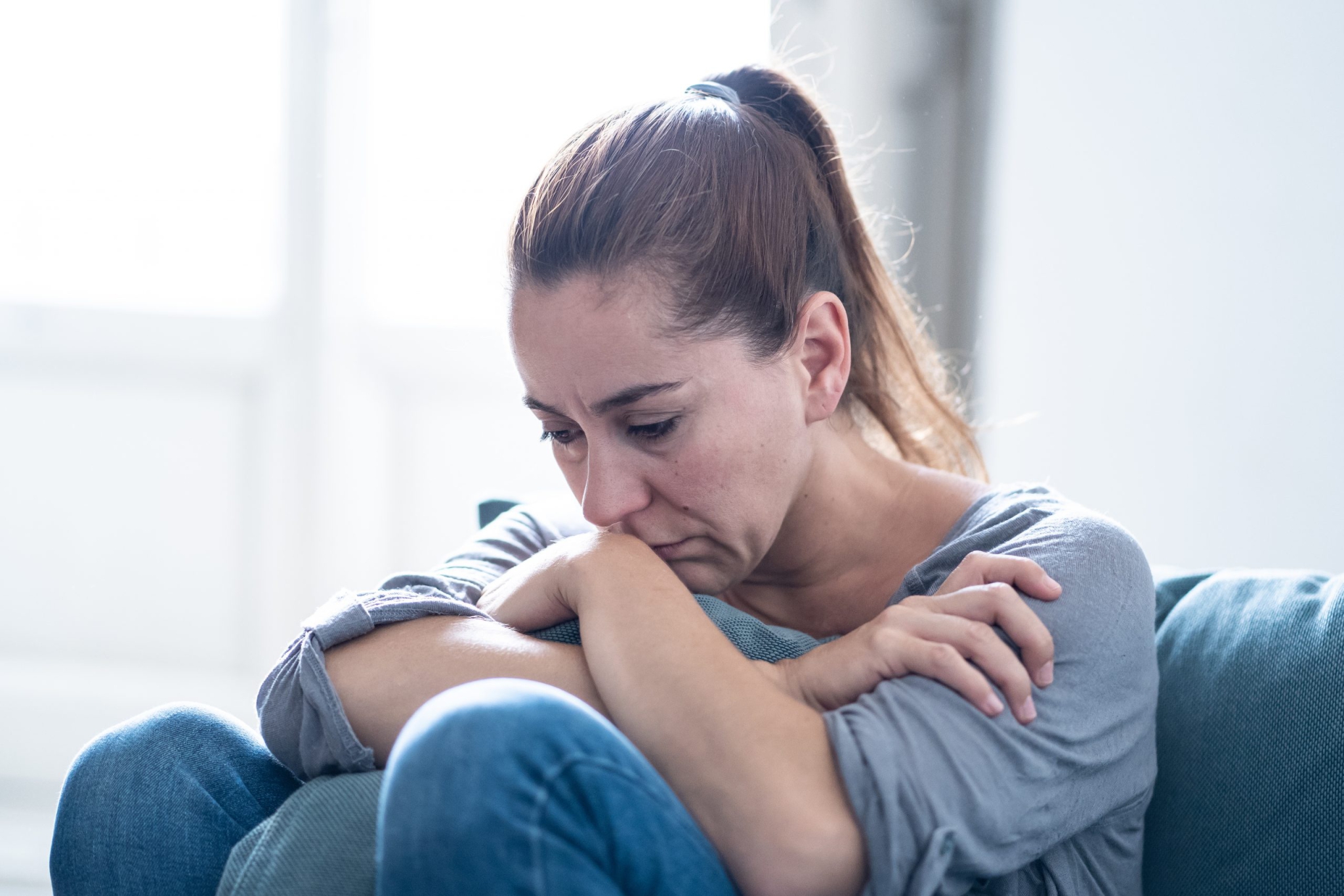
Domestic abuse can take many forms, each potentially as harmful as the next. We define domestic abuse as the intentional and persistent physical, emotional, financial or sexual abuse of a woman and any children she has in a way that causes pain, distress or injury and can lead to loss of life. We know that domestic abuse is intrinsically linked with coercive control and that power and control are at the heart of many forms of abuse.
At Belfast & Lisburn Women’s Aid we provide specialist services for women and their children due to the gendered nature of domestic abuse, however we also know that domestic abuse can affect anyone, regardless of age, social status or gender, and work closely with organisations such as MAP, who support men affected by domestic abuse, and The Rainbow Project, an organisation for LGBTQ+ people in need of support.
It’s important to understand that domestic abuse is not just about physical abuse; it comes in many different forms, each with its own harmful impact. Domestic abuse also affects women and children in different ways, depending on their circumstances.
Types of domestic abuse and how it affects victims
Domestic Abuse – The Facts
- Domestic abuse includes rape and murder.
- Domestic abuse is a human rights violation.
- One in four women will experience domestic abuse.
- Domestic abuse affects women of all ages, from young teenagers to women in their 80s and 90s.
- Over 30% of domestic abuse starts during pregnancy.
- Domestic abuse is a repeat crime that increases in frequency and severity over time.
- Women are on average assaulted 35 times before they seek help.
- It is estimated that 32,000 children are living with domestic abuse in Northern Ireland (UNICEF 2006).
- Domestic abuse is estimated to cost the Northern Ireland economy £180 million per year